Genießen Sie kostenlosen Standardversand bei allen Bestellungen über 50 €.


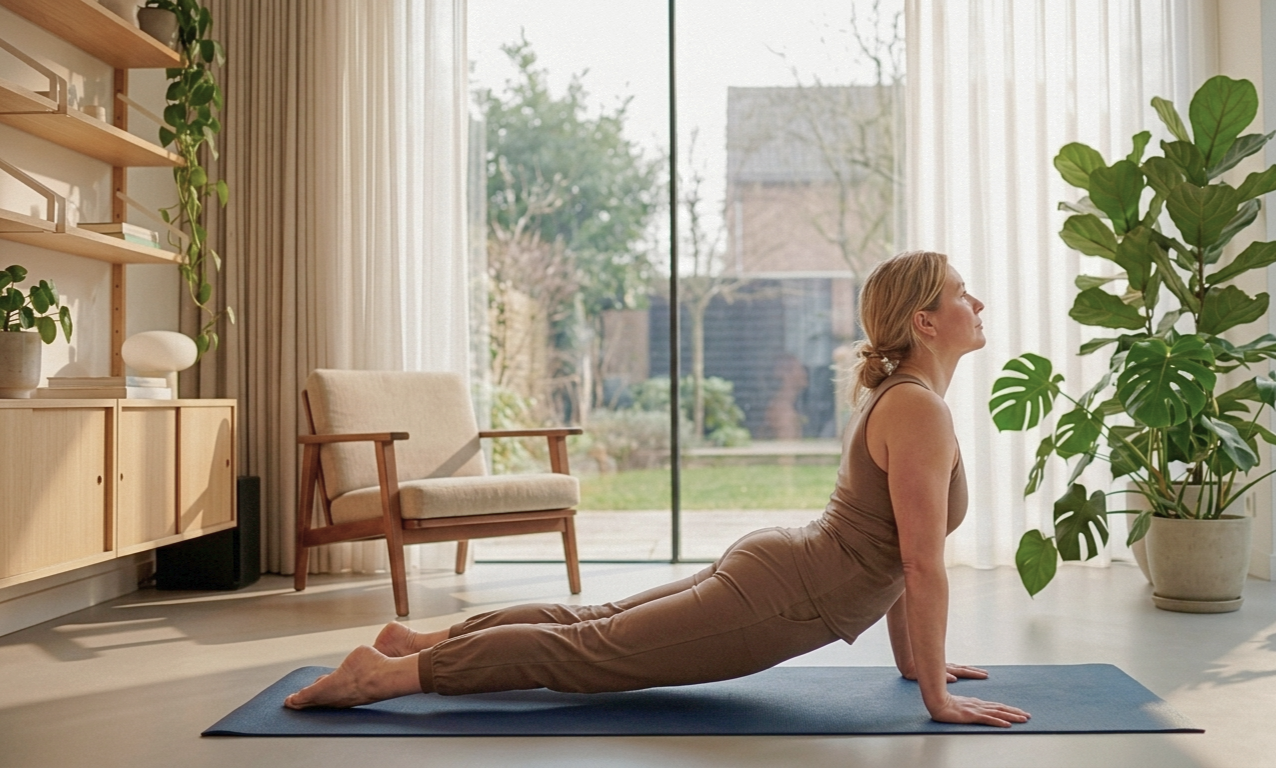
When Exercise Starts to Feel Like Too Much During Menopause
During menopause, a lot of us notice the same shift.
Workouts that used to feel manageable start feeling heavier.
You feel tired before you even begin.
You stay sore longer than you expect.
Your body takes more time to recover.
And sometimes, even when you stay consistent, your weight or shape does not respond the way it used to.
That part can feel really frustrating.
Because you’re still trying.But your body is not meeting you the same way anymore.
It starts to mess with your confidence
After a while, it gets into your head a bit.
You wake up already feeling low on energy.
Your body feels stiff more often.
You do a workout and need more time to bounce back.
And when your sleep is off, everything feels harder.
So when exercise starts to feel like too much, it is not just about motivation.
It’s your body changing, and you’re trying to keep up with it.
Trying to push through just makes it worse
A lot of us were taught that if something is not working, we should just try harder.
Longer workouts. More intensity. Less rest.
But during menopause, when your body is already dealing with fatigue and slower recovery, that approach can leave you feeling worse.
You push through, then feel drained the rest of the day.
You stay sore longer than expected.
You start skipping workouts because you already know how it’s going to feel after.
And slowly, something that used to help you starts to feel like something you have to force.

What your body actually responds better to now
After a while, a lot of us start to notice something.
Pushing harder is not helping anymore.
It just makes us more tired. More sore. More likely to skip the next workout.
And that’s usually when we start to adjust, even if we don’t realize it at first.
Not by stopping completely.
But by choosing movement that feels more manageable.
Walking
On low-energy days, this is often what feels most doable. It keeps you moving without taking too much out of you.
Strength training
Not long or punishing sessions. Just enough to support your body. A few times a week can be enough.
Mobility and stretching
When your body feels stiff or tight, this can make a real difference in how you feel day to day.
Short, steady routines
Shorter sessions you can repeat through the week are often easier to stick with than long workouts that wear you out.
This is not about doing less in a negative way.
It is about doing what your body can actually recover from.
Letting go of how it “used to be”
This part can be harder than the workouts themselves.
Because many of us are used to thinking that exercise has to feel intense to count.
But during menopause, that way of thinking can make everything feel heavier.
You do not need to wear yourself out.
You do not need to prove anything.
What matters more is whether you can keep showing up without feeling drained by it.
When it finally starts to feel manageable again
When movement feels doable, you’re more likely to stick with it.
And that’s when things start to shift.
You feel a bit less stiff.
A bit more steady in your energy.
A bit more comfortable in your body.
Not all at once. But enough to notice.
A little more support can go a long way
When your body already feels tired, sore, or off, everything feels heavier, including exercise.
This is where supporting your body from the inside can help.
HydraHer is a natural, hormone-free supplement designed to support hydration, comfort, and overall balance.
For many of us, that kind of support makes it easier to stay consistent, because your body does not feel like it is constantly pushing back.

You’re not falling behind
If exercise has been feeling harder lately, it does not mean you are doing something wrong.
It may just mean your body needs a different kind of care now.
And when you adjust to that, instead of fighting it, movement can start to feel supportive again.
