Genießen Sie kostenlosen Standardversand bei allen Bestellungen über 50 €.



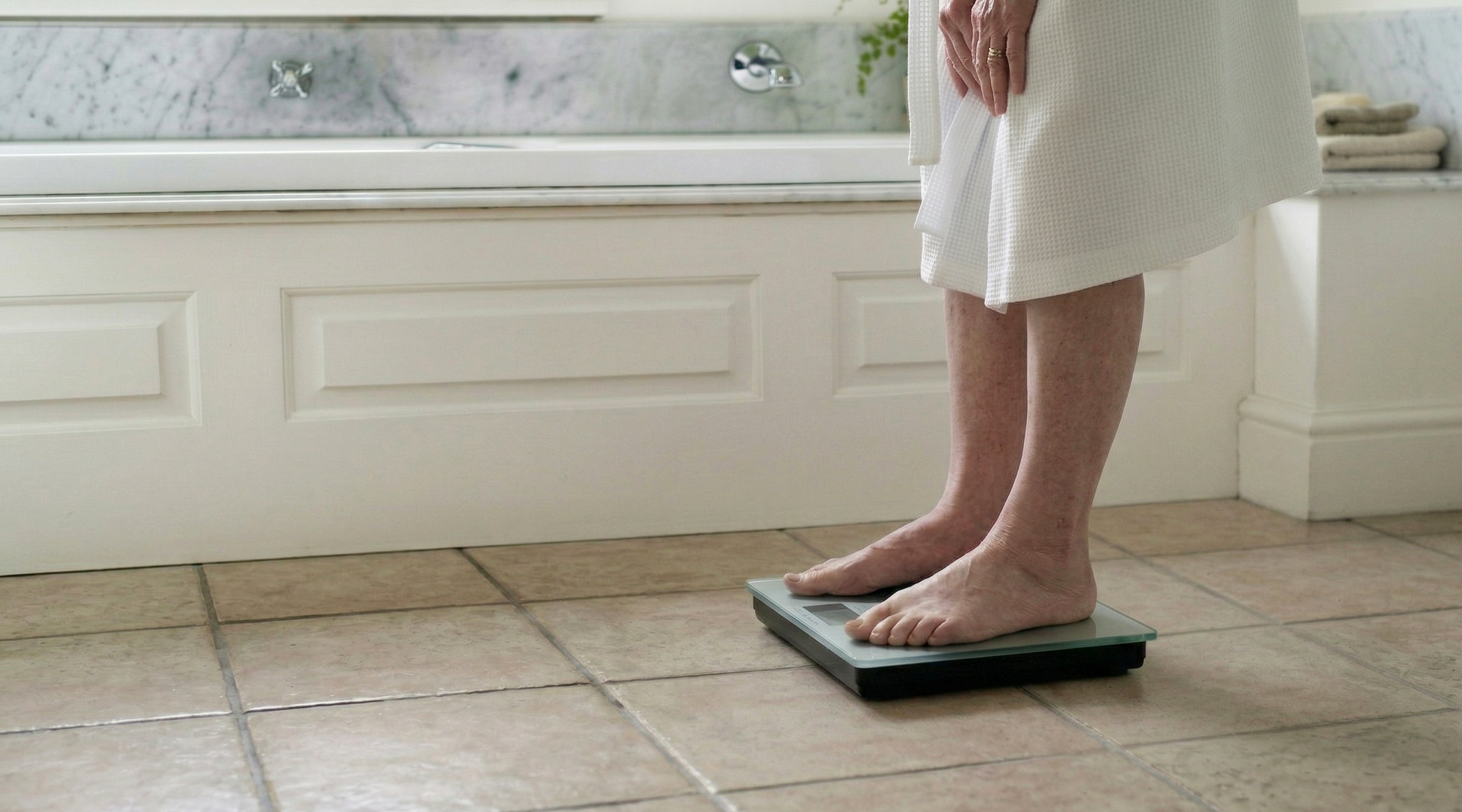
Gaining Weight During Menopause? Here’s What’s Really Happening
If your body started changing during menopause and you felt like it happened out of nowhere, you are not imagining it.
Many of us notice the same thing.
That can feel frustrating. Especially when people say things like “just eat less” or “move more,” as if it were that simple.
The truth is that menopause changes how your body works in several important ways. Once you understand what is happening, it becomes much easier to support your body instead of fighting against it.
Let’s walk through what is really going on.
Hormone Shifts Change Where the Body Stores Fat
One of the biggest drivers is the drop in estrogen that happens during menopause.
Estrogen influences how the body stores fat, how appetite is regulated, and how the body responds to insulin. As levels decline, many of us notice weight shifting toward the abdomen even if our daily habits have not changed.
You may still be eating the same meals and staying active, yet your body looks different in the mirror.
This is not a failure of discipline.
It is a biological shift that many women experience during this stage of life.
Understanding that alone can lift a lot of unnecessary pressure.
Sleep Disruption Makes Everything Harder
Sleep often becomes less predictable during menopause.
Hot flashes, night sweats, and frequent waking can interrupt the deep sleep your body needs to regulate hunger and energy.
When sleep is disrupted, the body tends to produce more hunger hormones the next day. That can make cravings stronger and appetite harder to manage.
It is not just about feeling tired. Sleep disruption can quietly influence metabolism, mood, and weight over time.

Stress Can Quietly Add Up
For many of us, menopause arrives during a busy and demanding stage of life.
There may be work responsibilities, aging parents, family changes, and many other pressures happening at the same time.
When stress stays elevated for long periods, cortisol levels may rise. Higher cortisol can encourage the body to hold onto fat, particularly around the midsection.
This is why weight gain during menopause can feel confusing. Several things are happening inside the body at once.
Muscle Loss Slows the Metabolism
Another important change is the gradual loss of muscle that happens as we age.
Beginning in our 40s and 50s, muscle mass naturally declines if we do not actively maintain it. Because muscle burns more energy than fat, losing it can slowly reduce how many calories the body uses at rest.
This means the same lifestyle that worked ten years ago may not work the same way today.
The good news is muscle is something we can rebuild and maintain with the right habits.
What Actually Helps
The goal during menopause is not extreme dieting or punishing workouts.
Instead, the focus shifts toward supporting your body in ways that protect strength, energy, and long term health.
Here are a few habits that many women find helpful.
Strength training
Even two or three short strength sessions each week can help maintain muscle and support metabolism. Strength training also supports bone health and helps the body stay strong and resilient as we age.
Eating enough protein
Protein supports muscle repair and helps you feel satisfied between meals. Including protein with each meal can make a noticeable difference in energy and appetite balance.
Prioritizing sleep
Supporting sleep becomes more important than ever during menopause. Small changes such as consistent bedtime routines, evening wind down time, and a cooler sleep environment can help the body recover better overnight.
Consistency over perfection
What matters most is consistency. Small habits practiced regularly often work better than intense changes that only last a few weeks.
Supporting Your Body Through Hormonal Changes
Weight changes during menopause rarely happen by themselves. Many of us are also dealing with dryness, hormonal shifts, mood changes, and lower energy.
That is why gentle, supportive approaches to wellness can make such a difference.
Some women choose natural, hormone free options like HydraHer, a supplement designed to help restore intimate moisture, support hormonal balance, and improve overall comfort during menopause and beyond.

When your body feels more balanced and comfortable, it becomes much easier to stay consistent with the healthy habits that support long term well being.
A Gentle Reminder
If your body feels different right now, you are not alone.
Menopause is a real transition and it affects far more than just a few symptoms. With the right information, support, and patience, many of us find a new rhythm that works for this stage of life.
Your body is not broken.
It is simply changing. And it still deserves care, strength, and compassion.
